Contour Farming Process and Benefits
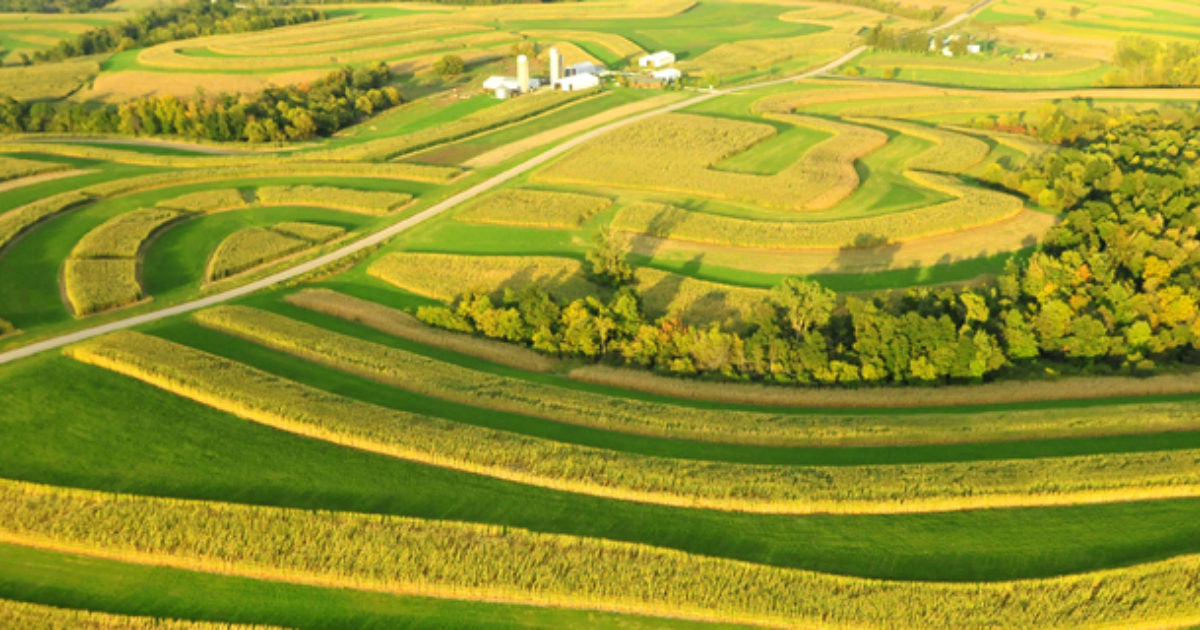
Contour farming is a sustainable agricultural practice designed to combat soil erosion and promote efficient water management. This method involves plowing and planting crops along the natural contours of the land, following the curves of the landscape rather than traditional straight rows. The primary goal of contour farming is to minimize soil erosion, enhance soil fertility, and optimize water distribution across fields. In contour farming, farmers create ridges and furrows along the contours of the land, which act as barriers to water runoff. These ridges help slow down water flow, allowing it to infiltrate the soil and reduce the risk of erosion. By maintaining a consistent slope, contour farming prevents soil from being washed away during heavy rains, preserving the topsoil's nutrients and structure. One of the significant advantages of contour farming is its environmental benefits. It prevents soil and chemical runoff into nearby water bodies, reducing water pollution and protecting aquatic ecosystems.
Comments
Join the discussionNo comments yet. Be the first to comment.


